 Arabic
 English
 Spanish
 French
 Japanese
 Korean
 Russian
 German
 Portuguese
 Italian
 Turkish

النقاط الرئيسية
- يختلف شكل القشرة وحجمها ونوعها اختلافًا كبيرًا بين الزواحف، ولكل نوع خصائص فريدة تؤثر على متطلبات الحضانة. إن معرفة كيفية تأثير هذه الاختلافات على الفقس هو المفتاح لضمان أفضل النتائج الممكنة.
- للاستعداد للحضانة، اختر المعدات المناسبة ونظف أدوات الحضانة لتجنب التلوث. ثالثاً، اختر الركيزة المناسبة للحفاظ على الرطوبة المثالية وتدفق الهواء حول البيض.
- ولتفقيس البيض، يجب توفير أفضل ظروف الحضانة والتحقق بانتظام من درجة الحرارة والرطوبة وظروف تدفق الهواء. إن توفير الظروف المثلى لهذه العوامل مهم لتعزيز نمو الأجنة بشكل صحي.
- سيساعدك الالتزام بنظام حضانة مفصل على زيادة معدلات الفقس إلى أقصى حد. وهذا يعني توجيه البيض بشكل صحيح، والاطمئنان عليه بشكل متكرر، واستخدام طرق مفيدة مثل التشميع.
- لكل من نهجي الحضانة الطبيعية والاصطناعية مزايا وعيوب مميزة. ستعتمد الطريقة التي تختارها على نوعك وأهدافك الخاصة في التربية.
- إن توفير حظيرة آمنة، والحفاظ على الظروف البيئية المناسبة، وتقديم الغذاء والرعاية المناسبين أمر حيوي لصحة الصغار ونموها.
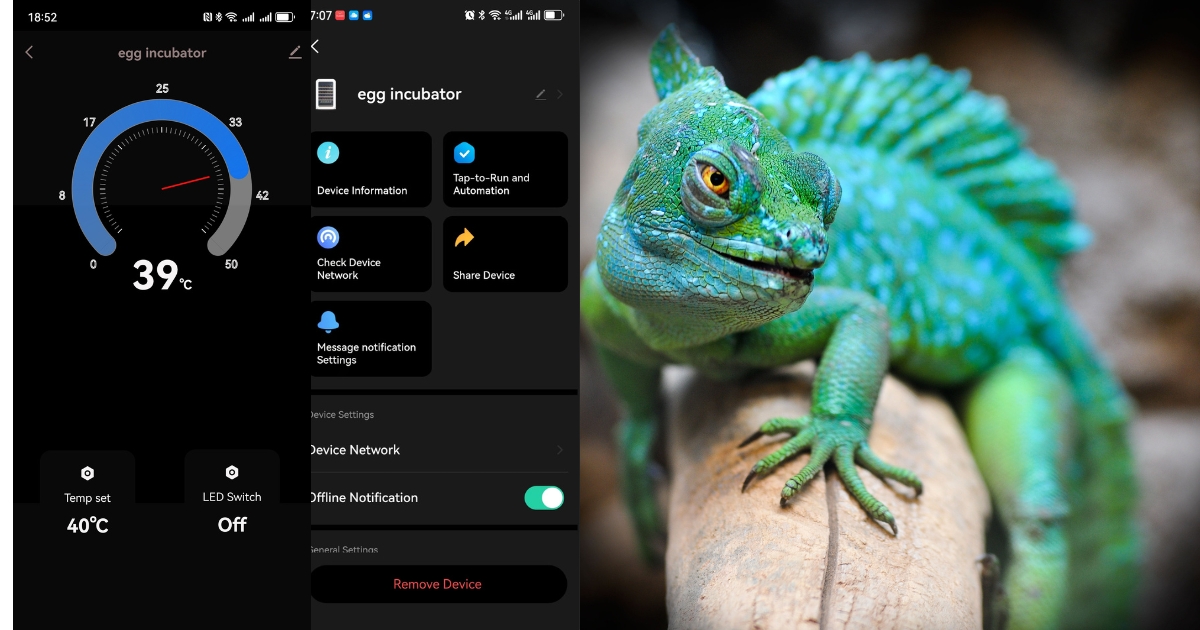
إن تفريخ بيض الزواحف هو فن وعلم يتطلب معدات دقيقة ومتسقة لتوفير ظروف مستقرة لتحقيق أفضل نمو وبقاء على قيد الحياة. تتميز حاضنات الزواحف من Uboze بدرجة حرارة ذكية وتطبيق tuya والتحكم في الواي فاي وتكنولوجيا موفرة للطاقة، مما يؤدي إلى معدل نجاح الفقس بنسبة 99.8%.
تعتمد أكثر من 500 مزرعة وتجار التجزئة المستقلين للحيوانات الأليفة على هذه الحاضنات. فهي توفر تحكماً موثوقاً في درجة الحرارة والرطوبة لخلق بيئة مثالية لجميع أنواع الأنواع.
مع 17 عامًا من الخبرة في هذا المجال، تقدم Uboze أفضل الحلول المخصصة للهواة والمربين والعمليات التجارية على حد سواء!
ما هو بيض الزواحف
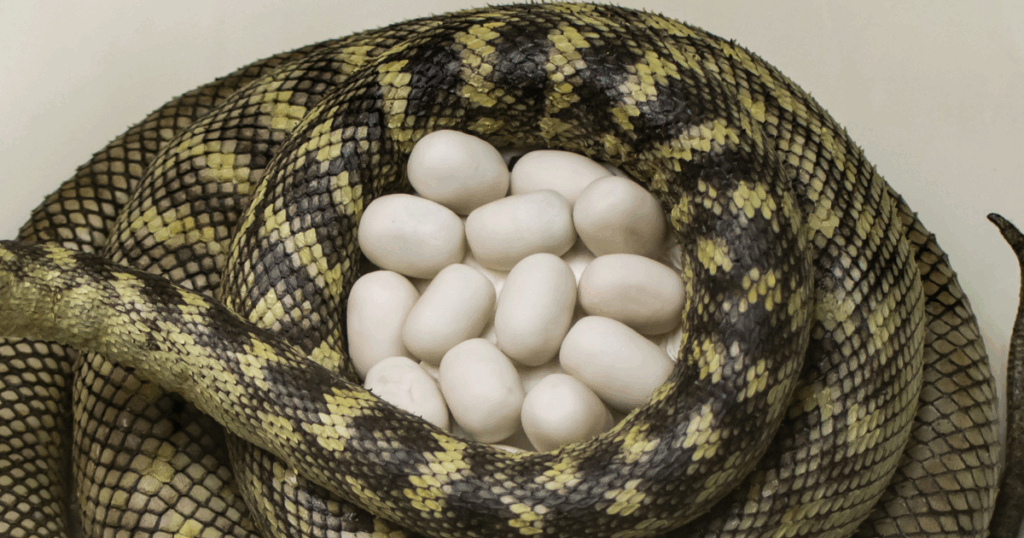
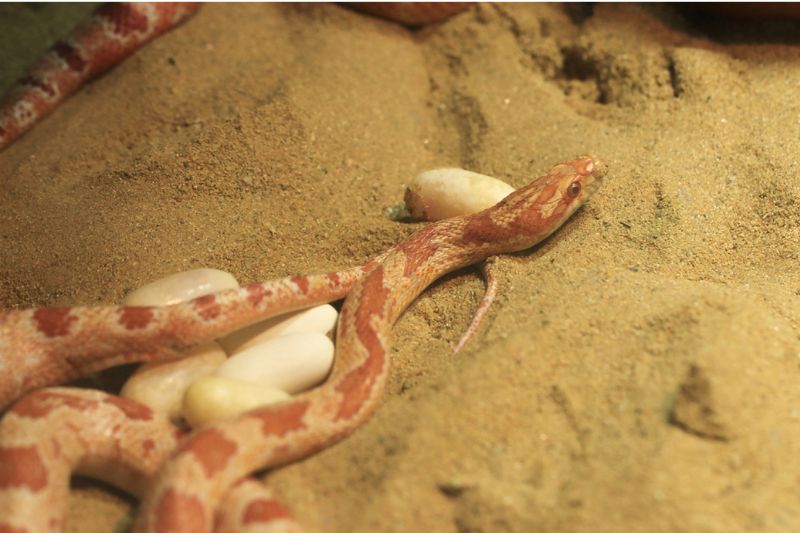
يُعد بيض الزواحف عنصراً حاسماً في عملية التكاثر بالنسبة لغالبية الزواحف. فهي توفر موطنًا مائيًا مبطنًا حيث يمكن للجنين أن ينمو ويخرج في النهاية كسلحفاة صغيرة أو ثعبان صغير، أي كفقس. تودع الأنثى هذا البيض.
واعتماداً على النوع، يمكن أن تضع بيضة واحدة فقط أو قوابض ضخمة تضم أكثر من 100 بيضة! وهي تهدف إلى تغذية الجنين وحمايته بقشرة صلبة. إلا أن الثدييات تلد صغاراً حية بعد نموها داخل جسم الأم.
على عكس الطيور، يحتاج بيض الزواحف إلى ظروف خارجية محددة للغاية، مثل درجة الحرارة والرطوبة لكي ينمو بشكل صحيح. وهذا يمثل مجموعة من الظروف المغرية والهشة في نفس الوقت بالنسبة للقائمين على رعاية وحاضنات وهواة الزواحف على حد سواء.
أنواع بيض الزواحف
لا يوجد بيضتان من الزواحف متشابهتان، حتى أن القوابض المختلفة من نفس النوع يمكن أن يكون لها خصائص واحتياجات مختلفة على نطاق واسع. فبيض الثعابين، على سبيل المثال، عادةً ما يكون بيض الثعابين ممدوداً وجلدياً في الملمس.
الحفاظ على درجة حرارة حضانة ثابتة تتراوح بين 80 و88 درجة فهرنهايت لهذه البويضات. يجب الحفاظ على الرطوبة عند حوالي 701 درجة فهرنهايت لتجنب الجفاف. تنتج الزواحف الأخرى، مثل السحالي (الأبراص والتنين الملتحي) بيضاً ناعم القشرة أيضاً، ولكن يمكن أن يختلف حجمها وشكلها بشكل كبير.
بيض التنين الملتحي بيضاوي الشكل، ناعم الملمس قليلاً وجلدي. أما بيض أبو بريص فهو أصغر حجماً وأكثر هشاشة. تضع السلاحف والتماسيح بيضها بقشرة صلبة مصنوعة من كربونات الكالسيوم.
هذا البيض، الذي يشبه إلى حد كبير بيض الطيور، أكثر تكيفًا مع الموائل الأرضية حيث تكون الحماية الميكانيكية مطلوبة. وتتكون حضانة بيض السلاحف تقليديًا من دفنه في التراب أو الرمل للحفاظ عليه في درجة حرارة ورطوبة ثابتة.
يمكن أن يستغرق بيض التماسيح بقشرته السميكة جداً عاماً كاملاً حتى يفقس حتى في ظل الظروف المثالية.
الاختلافات بين البيض الطري والبيض ذي القشرة الصلبة
سواء كانت القشرة لينة أو صلبة فإن ذلك يحدث فرقًا كبيرًا في كيفية نمو بيض الزواحف وكيفية العناية به. فالبيض ذو القشرة الناعمة، كما هو الحال في معظم الثعابين والسحالي، يكون مرناً.
وهي تتطلب ظروف رطوبة عالية لإبقائها رطبة؛ وإلا فإن قشرة البيضة يمكن أن تجف وتعرض بقاء الجنين على قيد الحياة للخطر. كما أن هذه البويضات أكثر حساسية عند التعامل معها، حيث يمكن أن يؤدي تركيبها الأكثر مرونة إلى تلفها بسهولة أكبر.
إن قدرتها المذهلة على التكيف هي التي تسمح لها بالتأقلم والازدهار في الأماكن التي تتقلب فيها الرطوبة على نطاق واسع. ويوفر البيض ذو القشرة الصلبة، مثل بيض الزواحف، دفاعاً مادياً ضد الحيوانات المفترسة.
فهي تحمي البيض من الإصابة الميكانيكية. ويساعد ملمسها الجلدي على منع فقدان الرطوبة، مما يسمح لها بأن تكون أقل اعتماداً على الظروف الرطبة باستمرار. يمكن أن يضيف سمك القشرة تحدياً إضافياً حيث قد يكون من الصعب على الفقس الهروب.
وعادةً ما يحتاج عادةً إلى مساعدة من الدائرة، وهي بنية مؤقتة ومتخصصة على خطمه، لاختراقها. ويؤثر نوع القشرة أيضاً على ظروف الحضانة.
يحتاج البيض ذو القشرة الناعمة إلى رطوبة عالية ودرجات حرارة ثابتة لينمو بشكل صحيح. وبالمقارنة، يمكن أن يتحمل البيض ذو القشرة الصلبة انحرافات صغيرة، مما يسمح له بأن يكون أكثر تسامحًا في الظروف دون المثالية.
التحضير للحضانة
يبدأ الفقس الناجح لبيض الزواحف بالتحضير المناسب قبل وضع البيض. نحن نعلم أن العملية قد تبدو مرهقة، ولكن عند تقسيمها إلى خطوات واضحة المعالم، تصبح في متناول المربين في أي مرحلة من مراحل الخبرة.
سنناقش هنا الأدوات المهمة، وإجراءات التعقيم، واختيار الركيزة للاستعداد للحصول على أفضل معدلات تفقيس ممكنة.
اختيار معدات الحضانة وإعدادها
المعدات المناسبة تمهد الطريق لحضانة سلسة. يبدأ كل شيء باختيار الحاضنة المناسبة. عندما تحتاج إلى إنتاج فراخ ذكور، فإن البدائل الجديرة بالثقة مثل حاضنات Hova-Bator معروفة بأدائها الموثوق.
اختر الحاضنات المزودة بأجهزة تحكم دقيقة في درجة الحرارة والرطوبة لأن هذه العوامل مهمة جداً للحفاظ على صلاحية البيض. كما أن مقاييس الحرارة الرقمية ومقاييس الرطوبة ضرورية أيضاً لضمان التحقق من الظروف المناسبة بانتظام.
خارج الحاضنة، تأكد من أن المعدات مناسبة لاحتياجات الأنواع المعنية. على سبيل المثال، تحتاج بعض الزواحف إلى بقعة تشمس بدرجة حرارة 90 درجة، لكن البعض الآخر يكون أفضل عند 85 أو حتى 80 درجة.
وهذا يعزز فكرة أن البحث هو المفتاح لمعرفة ما تحتاجه الأنواع. على سبيل المثال، تحتاج أبو بريص النمر إلى درجات حرارة حضانة تتراوح بين 80-82 درجة فهرنهايت لجميع الإناث و 84-86 درجة فهرنهايت للجنسين المختلطين. ستؤدي إضافة أطباق المياه الضحلة إلى موطنك إلى الحفاظ على مستويات الرطوبة في البيئة بين 50-701 درجة فهرنهايت، مما قد يمنع الجفاف أو الغرق.
تعقيم الأدوات لمنع التلوث
إن الحفاظ على الأجنة خالية من خطر البكتيريا أو الفطريات أمر بالغ الأهمية، كما أن التعقيم هو المفتاح في هذه العملية. قبل البدء، قم بتعقيم أي معدات، بما في ذلك الحاضنة وحاويات الحفظ ومقاييس الحرارة.
استخدم المبيض (مبيض 10% إلى الماء) أو المطهرات البيطرية. تأكد من شطف كل شيء وتجفيفه جيداً لمنع البقايا الكيميائية من الإضرار بالبيض.
تصل مخاطر التلوث حتى إلى الصواميل والمسامير. إذا لم يتم تنظيفها بشكل صحيح، يمكن أن يستولي العفن والفطريات بسرعة على سطح البيض بأكمله. لتجنب ذلك، ضع البيض في حجرات خاصة به أو افصله برفق في الركيزة.
تأكد من مراقبة بيئة الحضانة لديك لتحديد أي تلوث محتمل في أقرب وقت ممكن. من المفيد وضع قائمة مرجعية بسيطة لمواد التنظيف - قفازات يمكن التخلص منها ومناديل معقمة ومياه عذبة - للحفاظ على كل شيء في مكانه.
اختيار أفضل ركيزة للبيض
تلعب الركيزة التي تختارها دورًا كبيرًا لأنها تؤثر على الاحتفاظ بالرطوبة وتدفق الهواء، وكلاهما ضروري للأجنة الصحية. تعمل الركائز الشائعة مثل الفيرميكيولايت والبيرلايت بشكل جيد.
البيرلايت جيد بشكل خاص في ترك كمية مثالية من الرطوبة، وهذا هو السبب في أنه الخيار الأفضل بين المربين. اخلط الركيزة مع الماء بنسبة 1:1 في الوزن للحصول على قوام رطب (وليس رطباً).
عند اختيار الركيزة، ضع في اعتبارك هذه العوامل:
- هل تحتفظ بالرطوبة دون أن تتشبع بالمياه؟
- هل يسمح بتدفق الهواء لمنع نمو العفن؟
- بالنظر إلى بيض الأنواع المعنية، هل هو آمن وغير سام؟
تذكر أن تفضيلات الركيزة يمكن أن تختلف بشكل كبير بناءً على الزواحف التي تحتفظ بها. قم بتخصيص الظروف باستمرار لتتماشى بشكل وثيق مع متطلبات الحضانة الطبيعية للأنواع.
تهيئة بيئة الاحتضان المثالية
يبدأ النمو الصحي لبيض الزواحف، خاصةً بالنسبة للعديد من أنواع الزواحف، بتهيئة بيئة حضانة مثالية. إن عملية حضانة بيض الزواحف عملية حساسة، ويساهم كل جانب - درجة الحرارة والرطوبة وتدفق الهواء - في معدلات الفقس الناجحة للفقس الصحي. من خلال التعرف على هذه العوامل، يمكنك المساعدة في خلق بيئة حضانة مثالية تحاكي قدر الإمكان ما سيخضع له هذا البيض في البرية.
الحفاظ على مستويات درجة الحرارة المناسبة
يمكن القول أن درجة الحرارة هي أهم جانب من جوانب بيئة حضانة بيض الزواحف. وللأنواع المختلفة نطاقات مختلفة لدرجات الحرارة المثالية للحضانة. يكون بيض السلاحف الفقس أكثر صحة عند درجة حرارة حضانة تتراوح بين 80-85 درجة فهرنهايت. وبالمقارنة، يتطلب بيض الثعابين الحضانة عند 78 إلى 82 درجة فهرنهايت، حيث تكون درجة الحرارة 80 درجة فهرنهايت هي الأمثل لمعظم الأنواع.
إن الحفاظ على درجة الحرارة المناسبة أمر بالغ الأهمية، حيث أن هذا العامل الوحيد له التأثير الأكبر على معدل نمو الجنين وفرصة بقائه على قيد الحياة. حتى الاختلافات الصغيرة في درجات الحرارة خارج هذا النطاق الأمثل الضيق يمكن أن تؤدي إلى تشوهات أو انخفاض نجاح التفقيس.
الحفاظ على درجات حرارة متساوية ومستقرة أمر ضروري. يبدأ العثور على الحاضنة المناسبة للتحكم الدقيق في درجة الحرارة بالطراز الذي تختاره. فحاضنات Uboze، على سبيل المثال، تحتوي على أنظمة تسخين وتبريد أوتوماتيكية تضمن الحفاظ على درجة الحرارة في حدود بضع درجات فقط من المستوى المثالي.
من المهم للغاية التحقق من درجة الحرارة باستخدام مقياس حرارة رقمي جيد على مستوى البيض. يمكن أن يؤدي إنشاء تدرج درجة حرارة اصطناعي داخل الحاضنة إلى قطع شوط طويل، مما يجعل البيض يعيش حالة طبيعية أكثر. يعتبر التدرج في درجة الحرارة بين 82-86 درجة فهرنهايت مثاليًا. وبهذه الطريقة، ستبقى أي انحرافات صغيرة ضمن الحدود الآمنة.
التحكم في الرطوبة من أجل صحة البيض
تلعب الرطوبة دورًا حاسمًا إلى جانب درجة الحرارة في ضمان الصحة العامة لبيض الزواحف أثناء الحضانة. يمكن أن تؤدي الرطوبة الزائدة أو القليلة جدًا إلى مشاكل مثل الجفاف أو الرطوبة الزائدة، مما قد يعيق معدلات الفقس الناجحة. يزدهر بيض أنواع السلاحف المتوسطة بشكل أفضل في نطاق رطوبة نسبية تتراوح بين 75 إلى 85%. وبالمثل، يتطلب بيض الثعابين مستويات رطوبة مماثلة لدعم نموها الصحي.
يعد الحفاظ على التحكم الدقيق في الرطوبة أمرًا حيويًا لمنع غشاء قشر البيض من أن يصبح هشًا جدًا أو نافذًا للغاية، وكلاهما يمكن أن يؤثر سلبًا على الجنين النامي. يعد استخدام مقياس الرطوبة لقياس الرطوبة في حاضنة الزواحف أمراً ضرورياً للعناية الفعالة ببيض الزواحف.
عندما تبدأ في الجفاف، من الممكن إعادة ترطيبها عن طريق غمر الركيزة بالمزيد من الماء أو وضع حصيرة حافظة للرطوبة تحتها. في حال أصبحت مستويات الرطوبة مرتفعة للغاية، يمكنك زيادة التهوية للمساعدة.
وتتميز حاضنات Uboze بأنظمة التحكم في الرطوبة الحاصلة على براءة اختراع والتي تبسط هذه التعديلات مما يسمح بمزيد من عدم التدخل في عملية التحكم في الزواحف جهود التكاثر. وهذا يضمن الظروف المثلى للصغار التي تخرج من البيض وهي بصحة جيدة.
ضمان تدفق هواء كافٍ في الحاويات
إن تدفق الهواء في الحاوية هو عنصر غالبًا ما يتم تجاهله ولكنه عنصر حاسم للنمو الصحي. فالتهوية الجيدة تحمي من نمو العفن وتسهل تبادل الأكسجين الذي تحتاجه الأجنة من أجل النمو والبقاء على قيد الحياة.
يجب أن تحتوي الحاويات على فتحات تهوية صغيرة لضمان تدفق الهواء الكافي دون فقدان الرطوبة الزائدة. كما يوفر دمج البيض في منتصف الطريق في طبقة سفلية عميقة ومبللة جيدًا مستويات ممتازة من الرطوبة وتدفق الهواء.
خطوات نجاح عملية احتضان البيض بنجاح
مع الحضانة السليمة لبيض الزواحف، تمنحك طريقة خطوة بخطوة أفضل الفرص لمعدلات فقس ناجحة وفقس سعيد وصحي. وفيما يلي شرح مفصل للخطوات المهمة التي يجب اتباعها.
1. وضع البيض في حاويات الحضانة
الخطوة الأولى هي وضع البيض في حاويات حضانة مناسبة. ابدئي باختيار حاويات ذات أغطية محكمة الإغلاق للمساعدة في التحكم في الرطوبة ودرجة الحرارة. استخدم ركيزة مناسبة، مثل الفيرميكيولايت أو البيرلايت، مبللة إلى المستوى المناسب، وقم بتبطين القاع.
يجب أن تكون الركيزة رطبة الملمس، وليست رطبة - فالرطوبة الزائدة يمكن أن تقتل الأجنة عن طريق الاختناق. إذا كنت تضع البيض في حاضنة، فتأكد من وضع البيض في مكانها بحيث لا تتدحرج وتفقد اتجاهها. وعلى عكس بيض الطيور، لا ينبغي تدوير بيض الزواحف لأنه يعيق نمو الجنين.
سيساعدك وضع علامة على قمم البيض بقلم رصاص على تذكّر الطريقة التي تحتاجين إلى قلب البيض بها. كوني لطيفة قدر الإمكان، ولا تقومي بتحريكها بعد وضعها للحد من فرصة سحقها.
2. ضبط درجة الحرارة ومراقبتها بانتظام
درجة الحرارة هي خطوة أخرى مهمة للغاية لضمان الحصول على الحضانة الناجحة. في حين أن معظم بيض الزواحف يكون أفضل ما يكون بين 80-90 درجة فهرنهايت، إلا أن أنواع مثل الثعابين تفضل أن تكون درجة الحرارة أبرد قليلاً، حوالي 78-82 درجة فهرنهايت. تأكد من التحقق من المتطلبات الخاصة بفصيلتك قبل ضبط الحاضنة مسبقاً.
بمجرد وضع البيض، اضبطي الحاضنة على درجة الحرارة المستهدفة. بعد ذلك، تحققي من درجة الحرارة باستخدام مقياس حرارة رقمي جيد. للحصول على قراءة دقيقة، ضعي مسبار الترمومتر بجانب البيض مباشرة.
راقبي مستويات درجة الحرارة كل يوم للتأكد من عدم تذبذبها، فحتى التغيرات الطفيفة يمكن أن تؤثر سلباً على الأجنة النامية. سيضمن شراء حاضنة مزودة بمنظم حرارة أوتوماتيكي مدمج بقاء الظروف مستقرة.
3. ضبط الرطوبة حسب الحاجة
الرطوبة مهمة في منع الأجنة من الجفاف أو الغرق. يجب أن تكون الرطوبة النسبية في نطاق 50-70% لمعظم الأنواع، على الرغم من أن بيض الثعابين يتطلب عادةً رطوبة أعلى، حوالي 90%.
راقبي مستويات الرطوبة باستخدام مقياس الرطوبة، وأضيفي الماء أو طرق أخرى لرفع الرطوبة حسب الحاجة. لرفع الرطوبة، أضف الماء إلى الركيزة أو أضف طبق صغير من الماء في الحاضنة.
لا تدع مستوى غير آمن من الرطوبة يتراكم في الحاضنة لأنه سيؤدي إلى ظهور العفن.
4. قلب البيض عند الضرورة
بالنسبة لأنواع معينة، مثل العديد من الزواحف، يعد تقليب البيض أمرًا حيويًا لأنه يعزز النمو المتساوي. يتفق جميع الخبراء على ضرورة تقليب البيض ثلاث مرات على الأقل يومياً.
Do your research on your species, because not all reptile eggs need to be turned. Always turn the eggs carefully, as rough handling can easily break or injure the embryo. To prevent contamination, use clean hands or gloves.
5. استخدام الشمع للتحقق من التطور
Candling is an easy and low-cost method to track embryo development. Use a small flashlight or special egg candler in a darkened room. Place the light source against the egg to see inside.
You should see healthy visible veins and a healthy developing embryo. If the egg looks completely dark/opaque or developing in no way, it is likely an infertile egg.
Candling regularly can help you keep a clear idea of progress, development, and any problems that may arise along the way. Don’t candle too frequently or you risk candling them too much.
الإجراءات الرئيسية التي يجب اتخاذها خلال فترة الاحتضان
- Ensure appropriate incubation temperatures and humidity are uniformly maintained throughout the incubation period.
- Handle eggs with care, minimizing movement and avoiding rotation.
- Monitor development with candling while keeping disturbances minimal.
- Research the appropriate incubation time, it can vary greatly depending on species, for example, some reptile eggs take 55–60 days or more to hatch.
طرق الحضانة الطبيعية مقابل طرق الحضانة الاصطناعية
When it comes to hatching reptile eggs, you’ll find two primary approaches: natural incubation, where eggs are left with the mother or in their natural habitat, and artificial incubation using quality incubators, where eggs are incubated in controlled environments. Both methods have distinct advantages and disadvantages that affect the successful hatching rates of different reptile species.
فوائد الحضانة الطبيعية
Natural incubation is dependent on the care or environmental conditions afforded by the mother or nesting environment. For species such as the King Cobra (Ophiophagus hannah), maternal care is crucial. Protected by their creative and tenacious mothers, female King Cobras build complex nests and fiercely defend their eggs, providing perfect conditions for hatching.
This maternal protection can lead to increased hatch rates in species with protective mothers. Further, one of the benefits of natural incubation is it’s in-tune with a reptile’s biological rhythms and environment. Eggs incubated naturally undergo temperature and humidity gradients that can benefit the development of certain species.
Natural incubation is the reason crocodilians are so successful. The females use intricate nesting techniques that produce perfect environments for hatching to occur successfully. However, natural incubation isn’t the norm everywhere. For example, most reptiles like colubrid snakes exhibit no— or very few— maternal behaviors.
Though a few colubrids will remain near their eggs for a short time, they do not practice active incubation. For these species, natural incubation leaves everything up to the environment, which is much more variable and unpredictable.
مزايا الحضانة الاصطناعية
Artificial incubation is crucial for successful reptile egg incubation, as it provides amazing control over key aspects like temperature, humidity, and light cycles. This degree of control and precision has made it the foundation of modern reptile husbandry. By replicating optimal incubation conditions, breeders can maximize hatch rates and timing for various reptile species.
Typically, artificial incubators maintain an incubation temperature of approximately 99.7°F and high humidity levels of 80-85%. This consistent environment supports the healthy development of eggs, particularly for species that find natural incubation challenging, such as black stilts (Himantopus novaezelandiae). Under these controlled conditions, hatching success significantly increases, ensuring healthy reptile hatchlings.
Moreover, artificial incubation mitigates threats like predation or nest disturbance. Eggs are safeguarded from environmental risks, allowing breeders to ensure their valuable eggs remain safe. This protection is essential for the successful hatching of many reptile species.
Most importantly, artificial incubation offers flexibility in breeding projects. Whether hatching baby reptiles like leopard geckos or supporting endangered species, these methods can profoundly impact breeding efforts, addressing the needs of staggered clutches and mixed species.
التحديات في كلتا الطريقتين
Though each has their advantages, each are fraught with challenges. Natural incubation is at the mercy of weather, predators, and even the diligence of the mother. A quick temperature drop or heavy downpour can result in a failed clutch.
Though artificial incubation is more controlled, it still needs careful monitoring. Even small changes in temperature or humidity settings can ruin the whole lot. Environmental considerations are just as important with the natural technique, but help is available.
To promote natural incubation methods, taking measures to monitor and protect bird nests can go a long way. In artificial settings, purchasing high-quality incubators with consistent temperature and humidity controls is crucial.
Models of Uboze’s collaborative, innovative, and tech-powered incubators provide high-tech solutions that make these challenges easy to overcome, guaranteeing the best conditions for every hatch.
استكشاف مشاكل الحضانة الشائعة وإصلاحها
Despite our best equipment and preparation for reptile egg incubation, the process can be tricky at times. Understanding how to identify and troubleshoot common issues is essential to ensuring healthy hatchlings and successful hatching rates. Let’s troubleshoot the common incubation problems and how to fix them.
حل التقلبات في درجات الحرارة
One of the most important aspects of incubation is keeping a consistent temperature. Fluctuations may be due to external factors. A change in the room temperature, a bad heating element, or the incubator being placed near a vent or door can be common offenders.
For example, if your incubator is positioned near a drafty window or in direct sunlight, you can cause uneven heating. To start, ensure the incubator is located in a stable environment. Keep it away from heat sources or cold drafts to provide the best environment for hatching.
Having a separate, accurate thermometer on hand will help you double-check the incubator’s internal temperature against your thermometer’s reading. If there are any differences, re-calibrate the equipment or look into getting an incubator that automatically controls the temperature.
Keeping temperatures consistent, usually 80°F to 90°F depending on species, is critical to ensure healthy embryo development. Even small inconsistencies in temperature can severely impact hatch rates, so it is imperative to correct this issue as soon as possible.
إصلاح اختلالات الرطوبة
Humidity issues may be the most difficult to troubleshoot, but they’re equally as critical as temperature. Moisture imbalances manifest in a variety of forms. Sunken or dimpled eggs can indicate dehydration, while the presence of mold indicates too much moisture.
To raise humidity if it is too low, either add water to the incubator’s reservoir or place a wet sponge inside to increase moisture content. If high humidity is the culprit, cut down on sources of moisture or increase circulation to help excess humidity dissipate.
Investing in a hygrometer can help you monitor levels accurately, keeping humidity within the ideal range of 75-85% for most reptiles. Regular moisture also prevents dehydration and keeps the egg’s protective membrane healthy, increasing hatchling survival rates tremendously.
التعامل مع مشاكل التهوية السيئة
Inadequate airflow may result in oxygen deprivation and the accumulation of toxic gases within the incubator. A telltale sign can be a stale or musty odor, which can be a sign of poor ventilation.
To maintain good airflow, make sure all ventilation holes are clear and unobstructed and add small computer-type fans to help circulate air evenly throughout the incubator. Don’t seal containers airtight, embryos require a constant flow of oxygen.
Good ventilation is essential for healthy embryo development and to avoid complications during hatching.
تحديد ومعالجة تلوث البيض
Contamination usually occurs when eggs are handled with dirty hands or on unsanitized surfaces. Mold growth, discoloration, or a sour smell are obvious indications of contamination.
When you identify any contaminated eggs, remove them right away to prevent the spread of unwanted bacteria or fungi. Disinfect your incubation area with a reptile-safe disinfectant and always wash your hands before touching eggs.
By practicing a clean and organized setting, it helps prevent future contamination and keeps developing embryos healthy during the entire incubation process.
رعاية الصغار بعد الفقس
Hatchling care
Considering the high mortality rates in the wild, post-hatching care is essential to making sure these newborn reptiles live long, healthy lives. This section will guide you through setting up a safe environment, regulating conditions, providing proper nutrition, and monitoring their growth.
إعداد حاوية تفريخ آمنة
Providing a safe and calming environment for hatchlings is important to their success. Hatchlings are delicate creatures, and a carefully planned living space is a very important initial step for them.
- A small, escape-proof aquarium or tub with tight-fitting lids to use for feeding and housing. Substrate appropriate for the species, like paper towels or reptile carpet. Heat source such as a ceramic heat emitter or under-tank heater. A thermometer and hygrometer to keep an eye on the temperature and humidity. Hides help provide security and reduce stress in the environment. Give them shallow water bowls to keep them hydrated.
Security and comfort should be paramount. Even in captivity, hatchlings need a brooder environment in which they feel secure from potential predators. Avoid enclosures with open or loose fitting lids, as most species including hatchling geckos are excellent climbers.
For species like Bearded Dragons, separate housing is encouraged to avoid nipping of tank mates, which can cause severe injuries. A key part of the design process is tailoring the design to the species.
Desert species like Leopard Geckos enjoy arid substrate and a warm basking area in order to feel their best. Conversely, tropical species require more humidity and abundant vegetation for shelter.
تنظيم مستويات درجة الحرارة والرطوبة
Temperature and humidity play a vital role in the health and wellbeing of hatchlings. Keeping these conditions constant avoids unnecessary stress and helps the hatchlings develop properly.
- Most reptile hatchlings do best at 80°F-90°F (the ideal temperature varies with species). Humidity levels should be appropriate for their natural environment, desert species should have lower humidity (30-40%) and tropical species 60-80%.
- Use a good-quality digital thermometer to monitor temperature and a hygrometer to monitor humidity. Provide a way to measure temperature and humidity levels, and adjust heat sources or misting schedules accordingly to keep levels consistent. A minor change, like a 0.5°F change, is okay but not long term.
Consistent environmental conditions lower the likelihood of respiratory distress or dehydration. Humidity levels are crucial. Too high can lead to mold development, too low can lead to shedding issues.
توفير مصادر الغذاء والماء المناسبة
Hatchlings have very different dietary requirements than adults. A nutritious diet with proper care leads to a strong development.
- Young Bearded dragons come with an insatiable appetite! They can eat about 30 to 100 of those ¼ inch crickets a day, spread over 3 to 6 meals. But don’t worry, it’s perfectly natural for most hatchlings to not eat for the first few days post-hatch. These turtle hatchlings typically start eating in 3-4 days.
- Never give prey that is too big for them to swallow safely. Provide a combination of live food and leafy greens for omnivorous species. Keep food fresh and organic/non-pesticide free. Pick up any uneaten food at the end of each day to keep the area clean.
Clean water shouldn’t have to take a back seat. Fill shallow containers to minimize drowning risk, and replace the water every day to ensure it’s clean and fresh.
مراقبة صحة الصغار ونموها
Monitoring your hatchling’s health and growth is crucial for ensuring healthy reptiles, as frequent inspections help catch potential problems early.
- Check the hatchlings for injuries, deformities, and abnormal behavior. Monitor their activity levels, appetite, and shedding patterns, and look for any signs of difficulty breathing or distress.
- Track their weight and length weekly. For example, Bearded Dragons should be around 6 inches long by six weeks old before they are ready to leave your care.
- Signs of illness include lethargy or lack of appetite, followed by swelling, but once you notice symptoms it may already be too late. Contact your vet right away if you see signs of illness or abnormality.
نصائح لتفريخ بيض الزواحف بنجاح
Successfully hatching reptile eggs requires the right techniques, a balance of diligence, and monitoring, along with advanced planning. Whether you are an experienced breeder or a novice in reptile breeding, these tips will enhance your chances of consistently producing healthy hatchlings and improving your overall hatch rates.
تعامل مع البيض بعناية ودقة
Moving reptile eggs is a delicate operation. The shells of these eggs can be quite soft and fragile as well, particularly for species such as geckos or turtles. When handling or transporting the eggs, always use clean hands or a soft tool to prevent introducing harmful bacteria.
Store the eggs upright and in the same orientation they were laid. Any sudden movement or shifting of the embryo inside can prevent its proper development.
Pro tip: Whenever possible, mark the top of each egg with a tiny pencil dot the day they’re laid. That little action can go a long way! This will help you keep them in their original orientation when you have to handle them.
Ball pythons are extremely sensitive to vibration. With careful hands and limited handling, you can dramatically increase their hatch success. It helps to have something like vermiculite or perlite to help anchor them. These materials retain humidity perfectly without getting saturated, providing a perfect environment for the embryos to develop.
تجنبي الإفراط في التعامل مع الطفل أثناء الحضانة
It’s natural to want to check on the eggs and keep a close eye on their progress. Excessive handling can disturb the incubation process. Moving the incubator or constantly opening it up will cause a change in temperature and humidity.
These sudden variations can put a lot of stress on the developing embryos. To avoid disturbance, only handle eggs when absolutely needed — like turning them or repositioning them if needed.
Most reptile experts recommend turning the eggs three times a day, which has proven to be effective for many species. Some species may require more or less frequent turning depending on their individual needs. If they’re turned too frequently, it can desiccate the eggs, making it important to find that happy medium.
It’s ideal to place the incubator in a quiet, stable environment where vibrations and sudden temperature changes are avoided. This helps to minimize the chances of accidental movement or changes in the environment that might negatively impact the eggs.
الاحتفاظ بسجلات مفصلة للظروف
Keeping careful notes on your successes and failures is your best resource for achieving hatching success. Recording data such as temperature, humidity, turning schedules, and any observed changes can provide valuable insights for future breeding efforts.
For instance, you could create an easy-to-use chart or spreadsheet and use it to record daily conditions. Increase the columns for the temperature, i.e., 80-90°F based on the species. Additionally, aim for 50-70% humidity and keep a record of any adjustments, such as changing substrate or adding water.
In addition to being a great troubleshooting tool, this habit provides a great go-to reference when planning future clutches. Turtles, as an example, require a steady incubation temp of 80-85°F.
Since even a slight variation can affect hatchling development, having a log helps you avoid the outside of the perfect range. Set out a shallow dish of water near the eggs, and replenish it every day. This practice increases humidity and minimizes bacterial development, protecting the embryos.
خاتمة
Hatching reptile eggs is an art form, requiring the utmost patience, care and attention to detail. To ensure safe and healthy hatching conditions, provide the ideal environment for your eggs to thrive. Keep an eye on your temps and humidity, and invest in quality equipment. If you know what to expect, the experience is much easier and more enjoyable. Seeing those hatchlings come out strong makes everything so worth it.
For breeders, hobbyists, or those simply wishing to increase hatch success rates, Uboze reptile egg incubators provide reliable, effective solutions. Crafted with meticulous detail and scientifically validated by leading professionals, they make incubation easier and more successful. Whether for hobby collections or commercial-scale breeding, the right tools can help. Check out Uboze’s available options at fhappliances.com, and allow us to assist you in developing a safe, energy-efficient environment for your reptile eggs.
الأسئلة الشائعة
مما يتكون بيض الزواحف؟
Reptile eggs, with their leathery, flexible shells composed of calcium carbonate, serve the essential purpose of sheltering the developing embryo while facilitating gas exchange, crucial for successful hatching rates and healthy reptile hatchlings in many reptile species.