 French
 English
 Spanish
 Arabic
 Japanese
 Korean
 Russian
 German
 Portuguese
 Italian
 Turkish

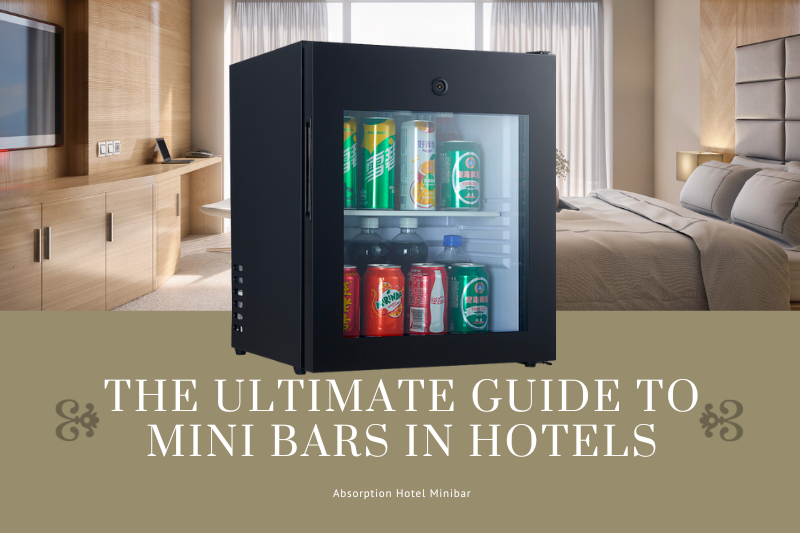
In the world of hospitality, a minibar is an essential amenity that enhances guest convenience and boosts revenue for hotels. Let’s delve into the definition, purpose, and significance of minibars in hotels.
Definition and Purpose of a Minibar
A minibar is a small refrigerator usually found in hotel rooms, stocked with a selection of beverages and snacks. Its primary purpose is to provide hotel guests with easy access to refreshments without leaving the comfort of their room.

Importance of Minibars for Guest Convenience and Revenue Generation
Minibars play a crucial role in enhancing guest convenience. After a long day of traveling or attending meetings, guests often appreciate the convenience of having a minibar at their disposal. It saves them time and effort in searching for refreshments elsewhere, especially during late hours.
Moreover, minibars contribute significantly to revenue generation for hotels. By offering a curated selection of premium beverages, snacks, and even personalized items, hotels can capitalize on the convenience factor and generate additional income.
Overview of Minibar Offerings
Quand staying at a hotel, one of the most convenient amenities is the minibar. These small in-room refrigerators offer a variety of items for guests to enjoy without having to leave the comfort of their room. Let’s take a closer look at the different types of minibars available and the items you can expect to find in them.
Types of minibars available in hotels
1. Refrigerated minibars: These are the classic minibars that have been around for years. As the name suggests, they have a refrigerator component that keeps beverages and perishable items cool.

2. Honor system minibars: With this type of minibar, guests are trusted to accurately report the items they have consumed. They simply write down what they took and it is added to their bill upon checkout.
3. Sensor-based minibars: Sensor-based minibars are equipped with sensors that detect when an item is removed. The guest is then automatically charged for the item, providing a hassle-free and accurate billing system.
4. Smart minibars: This innovative type of minibar incorporates technology to enhance the guest experience. They may feature touchscreen controls, inventory tracking systems, and even personalized recommendations based on guest preferences.
Various items typically found in a hotel minibar

- Snacks: Guests can expect to find a variety of snacks such as chips, pretzels, and cookies.
- Alcoholic and non-alcoholic beverages: Minibars often offer a selection of both alcoholic and non-alcoholic beverages, including beer, wine, soft drinks, and juices.
- Bottled water: Keeping hydrated is important, and minibars usually provide bottled water for guests’ convenience.
- Chocolates: For those with a sweet tooth, minibars frequently include chocolates or other indulgent treats.
- Nuts: Some minibars offer a selection of nuts, such as almonds or cashews, for a satisfying and healthy snack option.
- Candies: For a quick sugar fix, guests can enjoy a variety of candies that are often included in minibar offerings.
- Toiletries (occasionally): Depending on the hotel, minibars may also include travel-sized toiletries, such as toothpaste, shampoo, or body lotion.
Understanding Minibar Pricing
When it comes to minibars in hotels, understanding the pricing structure is key. Guests often find themselves curious about the costs associated with the items in the minibar. In this section, we will explore the various aspects of minibar pricing to provide a comprehensive understanding.
Cost associated with items in the minibar
1. Pricing structure (per item or per category)
Minibars can have different pricing structures depending on the hotel. Some hotels charge per item, meaning each product in the minibar has an individual price tag. This allows guests to precisely track their expenses. Other hotels adopt a per category pricing structure. Here, items are grouped into categories (e.g., beverages, snacks) and charged a fixed price regardless of the specific item chosen.
2. Markups, taxes, and fees
It’s important to note that the cost of items in the minibar often includes markups, taxes, and additional fees. These markups and charges are necessary for hotel management to cover operational costs and ensure a profit margin. Taxes are typically applicable as per local regulations. Familiarizing oneself with these additional costs can help guests plan their minibar expenses accordingly.
Complimentary minibar options in some hotels
While minibars are usually associated with additional expenses, it is worth mentioning that some hotels offer complimentary minibar options. This can range from simple amenities like bottled water and snacks to a selection of beverages. These complimentary options provide a pleasant surprise to guests staying at such hotels and can enhance their overall experience.
Understanding minibar pricing is crucial for both hotel guests and hospitality professionals. By considering the pricing structure, markups, taxes, and fees, guests can manage their minibar expenses effectively. Additionally, being aware of hotels that offer complimentary minibar options can help guests make informed choices. Stay tuned for the next section, where we will explore minibar policies and regulations.
Minibar Policies and Regulations
When staying in a hotel with a minibar, it’s important to familiarize yourself with the policies and regulations regarding its use. By understanding these rules, you can ensure a pleasant experience during your stay. Here are some key aspects to keep in mind:
Rules for using the minibar
1. Restrictions on removing or replacing items:
- Guests are advised not to remove or replace any items from the minibar. Doing so may result in additional charges.
- The hotel is not responsible for any items guests bring to replace those consumed from the minibar.
2. Restocking frequency:
- The minibar is regularly restocked to maintain a variety of beverage and snack options for guests.
- If you find that certain items are not available, please inform the hotel staff, and they will attend to it promptly.
3. Charges for missing or consumed items:
- Guests will be charged for any missing or consumed items from the minibar.
- It is essential to check and confirm the charges when settling the final bill upon check-out.
Penalties for violating minibar policies
Penalties may be applied for violating the minibar policies. These penalties may include:
- An additional fee for removed items without proper payment or replacement.
- Notifying relevant authorities, such as the front desk, regarding any violations.
- Revoking minibar privileges for guests who repeatedly disregard the policies.
By adhering to the minibar policies and regulations, guests can ensure a smooth and enjoyable experience while utilizing the minibar facilities provided by the hotel.
Managing a Hotel Minibar
When it comes to the successful management of a minibar in a hotel, there are several operational aspects that need to be considered. By paying attention to these key factors, hoteliers can ensure that their minibar is well-maintained, stocked, and ultimately profitable.
Operational Aspects of Minibar Management
1. Inventory Control:
One of the first steps in managing a minibar is to establish effective inventory control. This involves keeping track of the stock levels of various items and ensuring that they are constantly replenished.
2. Restocking Procedures:
Regular restocking procedures should be put in place to ensure that the minibar is always fully stocked with the desired items. This could involve monitoring the inventory levels and restocking on a daily or weekly basis.
3. Tracking Consumption:
It is crucial to track the consumption of minibar items to gain insights into guest preferences and optimize the offerings. This can be achieved through the use of technology such as minibar tracking systems that record when items are taken and replenished.
4. Auditing and Accounting Processes:
Auditing and accounting processes should be implemented to ensure accurate record-keeping and financial transparency. This includes keeping detailed records of minibar transactions and reconciling them with the overall hotel accounting system.
Common Challenges with Minibars
Despite their potential for profitability, minibars often present challenges for hoteliers. Some of the common challenges include:
- Guests disputing charges for consumed items
- Maintaining accurate inventory levels
- Preventing theft or unauthorized access to the minibar
- Dealing with expired or spoiled items
- Minimizing operational costs without compromising quality
Alternatives to Minibars
While minibars have traditionally been a staple in hotel rooms, some hotels are exploring alternatives to meet the changing needs of guests. These alternatives may include:
- Designating a communal hotel pantry or vending machine area
- Offering room service with an extensive beverage selection
- Providing mini-fridges in rooms for guests to stock with their own preferred items
Understanding Guest Preferences
Successful management of a minibar requires a deep understanding of guest preferences. By analyzing data and actively seeking feedback from guests, hoteliers can tailor their minibar offerings to match the desires and expectations of their guests.
Emerging Minibar Trends
The minibar landscape is constantly evolving, and it is important for hoteliers to stay abreast of emerging trends. Some current minibar trends include:
- Healthy and organic options
- Local and artisanal products
- Personalized minibar experiences
- Mini-fridges with adjustable temperature settings
By embracing these trends, hotels can align their minibar offerings with the evolving preferences of their guests.
Minibar Revenue and Optimization Strategies
To optimize revenue from minibars, hoteliers need to implement effective strategies. This can include:
- Pricing items strategically based on guest preferences and market demand
- Regularly reviewing and updating the minibar menu to keep it fresh and appealing
- Promoting minibar items through in-room advertisements or special offers
- Offering package deals or discounts for guests who regularly use the minibar
Relationship Between Minibar and Room Service
The minibar and room service are closely interconnected, as they both cater to guest needs for food and beverages. By coordinating the offerings and aligning the pricing, hotels can ensure a cohesive and seamless experience for guests.
Role of the Hotel Desk in Minibar Management
Front desk personnel play a crucial role in managing the minibar. They should be trained to handle inquiries, manage guest concerns, and communicate effectively with the housekeeping and accounting departments to ensure smooth minibar operations.
Ensuring Quality of Bottled Beverages in Minibars
The quality of the bottled beverages in minibars is essential to guest satisfaction. Hotels should establish partnerships with reputable suppliers and regularly test the quality of the products to guarantee a delightful experience for guests.
Minibars and Travelers’ Needs
Understanding travelers’ needs is vital to providing an exceptional minibar experience. Business travelers may require caffeine options, while leisure travelers may prefer alcoholic beverages or snacks. By tailoring the offerings to different traveler segments, hotels can enhance guest satisfaction.
Emphasizing the Significance of Minibars in Hotels
The minibar remains an important amenity in hotels, especially for guests seeking convenience and comfort. By continually assessing guest preferences, staying informed about emerging trends, and implementing effective revenue strategies, hoteliers can optimize the minibar experience, increase revenue, and enhance guest satisfaction.
Common Challenges with Minibars
When it comes to minibars in hotels, there are several common challenges that hoteliers face. These challenges can impact the overall guest experience and the hotel’s revenue. It is crucial for hotel management to address these challenges effectively in order to optimize the performance of their minibar offerings. Let’s take a closer look at some of the most prevalent challenges:
Theft or pilferage
One of the main challenges with minibars is theft or pilferage. Guests may try to take items without paying for them, resulting in revenue loss for the hotel. Hoteliers need to implement monitoring systems and strategies to prevent and detect such incidents.
Inaccurate billing
Inaccurate billing is another challenge faced by hotels with minibars. It can be caused by human error or technical glitches in the minibar’s billing system. Hotel staff should conduct regular audits to ensure accurate billing and address any discrepancies promptly.
Maintenance issues
Minibars require regular maintenance to keep them in proper working condition. However, maintenance issues such as malfunctioning refrigeration, broken locks, or faulty sensors can occur. Hotels need to have a dedicated maintenance team or contract with a reliable service provider to promptly address these issues.
Excessive loss or waste
Excessive loss or waste of minibar items can significantly impact a hotel’s profitability. This can be caused by guests mistakenly consuming items without realizing they will be charged or by staff members mishandling inventory. Implementing strict inventory control measures and training staff on proper handling procedures can help mitigate this challenge.
Difficulty in tracking inventory
Tracking inventory in minibars can be a complex task, especially in large hotels. It can be challenging to accurately monitor the stock levels of various items and ensure timely restocking. Utilizing technology solutions such as automated inventory tracking systems can streamline this process and minimize errors.
Alternatives to Minibars
While minibars are a popular amenity in hotels, there are alternative options that can provide guests with in-room refreshments. These alternatives not only offer convenience but also cater to different preferences.
Other in-room refreshment options
- Vending machines: Many hotels have vending machines located on various floors, offering a wide range of snacks and beverages.
- Coffee makers: A coffee maker in the room allows guests to enjoy a freshly brewed cup of coffee at any time of the day.
- Tea facilities: Tea lovers can appreciate having tea facilities in their rooms, with a selection of teas to choose from.
- Complimentary breakfast services: Some hotels provide complimentary breakfast services, allowing guests to start their day with a variety of food and beverage options.
Impact of alternatives on the need for minibars and their design
These alternative options can significantly impact the need for minibars and influence their design. Hotels may choose to eliminate or downsize minibars if they provide other in-room refreshment options. This can free up space in the room and allow for more creative and functional room designs.
Understanding Guest Preferences
Preferences and expectations of hotel guests regarding minibar offerings
Hotel guests have certain preferences and expectations when it comes to the offerings in the minibar:
- Pricing: Guests appreciate competitive pricing for the items in the minibar, ensuring they are not overcharged for their purchases.
- Variety: Guests look for a wide range of options in the minibar, including both alcoholic and non-alcoholic beverages, snacks, and other amenities.
- Healthy options: Many guests now prefer healthier alternatives in the minibar, such as organic snacks, fresh fruit, and low-sugar beverages.
- Customized selections: Some guests prefer the option to personalize their minibar selections according to their individual preferences.
Tailoring minibar offerings to cater to different guest segments
In order to provide the best experience for guests, it is essential to tailor minibar offerings to cater to different guest segments. By understanding the preferences of specific guest segments, hotels can create targeted minibar options, such as:
- Business travelers: Offering energy drinks, quick snacks, and a variety of beverages to cater to their on-the-go needs.
- Families: Including a selection of kid-friendly snacks, juices, and healthy options for parents.
- Wellness enthusiasts: Providing organic snacks, protein bars, and health-conscious beverages to align with their lifestyle choices.
- Luxury travelers: Offering high-end spirits, gourmet chocolates, and other premium items to create a luxurious experience.
Emerging Minibar Trends
As the hospitality industry continues to evolve, so do the trends surrounding minibars in hotels. By staying up to date with these emerging trends, hoteliers can optimize revenue and enhance guest satisfaction. Here are some of the latest minibar trends:
Personalized minibars based on guest profiles
Hotels are increasingly customizing minibar offerings to cater to individual guest preferences. By collecting data on guests’ preferences and purchasing habits, hotels can provide personalized minibar options that align with each guest’s tastes. This personalized approach enhances the guest experience and encourages increased minibar usage.
Eco-friendly or sustainable minibar options
With growing awareness and concern for the environment, hotels are exploring eco-friendly minibar options. This includes offering organic and locally sourced snacks and beverages, as well as utilizing eco-friendly packaging. By providing sustainable minibar options, hotels can appeal to eco-conscious guests and showcase their commitment to environmental responsibility.
Integration with smart technology
Smart technology is revolutionizing the hospitality industry, and minibars are no exception. Hotels are increasingly integrating minibars with smart technology, allowing guests to easily monitor and control their minibar inventory through mobile apps or in-room tablets. This not only enhances guest convenience but also enables hotels to track and manage minibar inventory more efficiently.
Partnerships with local vendors for unique and regional products
To provide guests with an authentic and unique experience, hotels are partnering with local vendors to offer minibar products that showcase the culture and flavors of the region. This includes locally produced beverages, snacks, and specialty items. By incorporating local products, hotels can differentiate their minibar offerings and appeal to guests seeking a taste of the local culture.
Minibar Revenue and Optimization Strategies
The minibar is not just a convenient amenity for hotel guests, but it also plays a significant role in generating revenue for hotels. By understanding guest preferences and implementing effective optimization strategies, hotels can maximize the revenue potential of their minibars.
Contribution of minibar sales to a hotel’s overall revenue
The revenue generated from minibar sales can make a substantial contribution to a hotel’s overall revenue. While the specific percentage may vary depending on various factors such as hotel size and location, minibar sales can account for a notable portion of the total revenue.
Hotels can track the revenue generated from their minibars separately and analyze the data to understand its impact on the overall financial performance. This analysis can help identify trends, assess the profitability of minibar operations, and make informed decisions regarding pricing, inventory management, and marketing strategies.
Strategies to optimize revenue generation from minibars
To optimize revenue generation from minibars, hotels can implement the following strategies:
- 1. Strategic Pricing: Setting competitive pricing based on market research, demand analysis, and the perceived value of the items offered in the minibar. Effective pricing strategies can maximize revenue while still aligning with guest expectations.
- 2. Enhancing Product Offerings: Identifying and offering popular and high-margin products in the minibar. This can include local or unique items, premium snacks, and carefully curated beverage selections.
- 3. Display and Presentation: Designing an appealing and attractive presentation of minibar items to entice guests and encourage purchases. This can involve creative displays, attractive packaging, and clear pricing information.
- 4. Personalization: Offering customized minibar options based on guest preferences, such as a selection of beverages or snacks tailored to their specific tastes. This personalized approach can enhance guest satisfaction and drive additional revenue.
- 5. Upselling and Cross-selling: Training staff to effectively promote and upsell minibar items when interacting with guests. This can include suggesting additional items, recommending pairings, or highlighting special offers.
Benchmarking against industry standards or best practices
Benchmarking against industry standards or best practices can provide valuable insights for optimizing minibar revenue. Hotels can analyze data from industry sources, competitor analysis, or seek guidance from industry experts to identify areas for improvement and implement strategies that have proven successful.
By continuously monitoring and evaluating the performance of the minibar and implementing revenue optimization strategies, hotels can ensure that their minibar operations remain profitable, contribute to overall revenue growth, and meet the evolving preferences of their guests.
Emphasize the significance of minibars in hotels and highlight the importance of understanding guest preferences and trends to optimize revenue and guest satisfaction.
Relationship Between Minibar and Room Service
In a hotel, both the minibar and room service offerings play a crucial role in enhancing the overall guest experience.
Distinction between Minibar and Room Service Offerings
While the minibar provides guests with a convenient in-room option to enjoy a wide selection of refreshments anytime they desire, room service goes beyond beverages and offers a comprehensive menu of meals delivered directly to the guest’s room.
Complementary or Supplementary Nature of Both Options
The minibar and room service offerings are complementary, offering guests the flexibility to choose between quick and ready-to-consume items from the minibar or enjoying a full dining experience through room service.
Coordinating Minibar and Room Service to Meet Guest Preferences
Hotels can maximize guest satisfaction by coordinating minibar and room service offerings to meet personalized preferences. For example, the minibar can be stocked with popular items based on the data collected from guests’ previous room service orders.
Additionally, by analyzing guest feedback on room service selections, hotels can adjust minibar offerings accordingly, ensuring a seamless and consistent experience for their guests.
Understanding the relationship between the minibar and room service allows hotels to create a cohesive experience that caters to the diverse needs and preferences of their guests.
Role of the Hotel Desk in Minibar Management
To efficiently manage the minibar, the hotel desk acts as a central point of contact for monitoring and restocking minibar items. This ensures that guests always have access to their favorite beverages and snacks throughout their stay.
Ensuring Quality of Bottled Beverages in Minibars
As part of maintaining high standards, hotels must regularly check the quality of bottled beverages in minibars. This includes monitoring expiration dates, ensuring proper storage conditions, and promptly replacing any damaged or expired items.
Minibars and Travelers’ Needs
For travelers, minibars offer a convenient solution, especially during late-night cravings or when exploring the city’s attractions leaves little time for dining out. Having a well-stocked minibar allows guests to satisfy their hunger or quench their thirst without leaving the comfort of their hotel room.
Emphasize the Significance of Minibars in Hotels
Minibars play a vital role in the overall hotel experience. Understanding and adapting to guest preferences and emerging trends enables hotels to optimize revenue and enhance guest satisfaction, leading to repeat business and positive reviews.
By keeping a pulse on changes in guest preferences and continuously adapting minibar offerings, hotels can ensure they remain relevant and provide a memorable and satisfying stay for their guests.
Role of the Hotel Desk in Minibar Management
The hotel desk plays a crucial role in managing the minibar and ensuring a seamless experience for guests. With their expertise and knowledge, desk staff can effectively handle all matters related to the minibar, providing guests with the highest level of comfort and convenience during their stay.
- Stocking and replenishing minibars: One of the primary responsibilities of the hotel desk is to ensure that the minibars are well-stocked and replenished regularly. This includes checking inventory levels, restocking items, and maintaining a variety of offerings to cater to different guest preferences.
- Monitoring minibar consumption: Desk staff are responsible for monitoring the consumption of minibar items by tracking the charges and keeping a record of what is consumed by each guest. This helps in accurately calculating the charges and providing a detailed minibar bill at the time of check-out.
- Ensuring billing accuracy: The hotel desk is also responsible for ensuring the accuracy of minibar billing. This involves cross-checking the consumed items with the charges mentioned in the minibar bill to avoid any discrepancies or errors.
- Managing minibar expenses: Desk staff are tasked with managing the expenses related to the minibar operations. This includes keeping track of the cost of minibar items, monitoring stock levels, and working closely with the hotel’s accounting department to maintain profitability.
Desk staff serve as a point of contact for guests who have any queries or issues related to the minibar. They offer assistance and provide information about minibar offerings, pricing, policies, and regulations, ensuring that guests have a clear understanding of the minibar system.
In case of any minibar-related issues, such as incorrect charges, missing items, or technical malfunctions, the hotel desk is responsible for promptly addressing and resolving these concerns. They work closely with other departments, such as housekeeping or maintenance, to ensure quick and satisfactory resolutions for the guests.
By efficiently managing minibar operations and providing excellent customer service, the hotel desk plays a vital role in enhancing guest satisfaction and maximizing revenue from minibar offerings.
Ensuring Quality of Bottled Beverages in Minibars
Providing high-quality bottled beverages in minibars is crucial for ensuring guest satisfaction and maintaining the reputation of the hotel. A well-stocked minibar with premium beverages can greatly enhance the overall guest experience.
There are several factors to consider when ensuring the quality of bottled beverages in minibars:
Importance of providing high-quality bottled beverages
- Guests expect the same level of quality in the bottled beverages as they would find in a restaurant or bar.
- Offering a selection of premium brands can create a sense of luxury and exclusivity for guests.
- High-quality beverages can lead to higher guest satisfaction and increased minibar revenue.
- Positive experiences with the minibar can result in repeat visits and positive reviews.
Checking and monitoring beverage integrity
- Regularly inspect the bottles for any signs of damage, such as broken seals or leaks.
- Ensure that all beverages are stored at the appropriate temperature to maintain their freshness and taste.
- Check expiration dates on all bottles and remove any that have passed their shelf life.
- Train minibar staff to handle the beverages with care and to be aware of any potential issues.
Minibars and Travelers’ Needs
When it comes to hotel amenities, minibars play a crucial role in meeting the unique needs of travelers. Whether guests are looking for a quick snack or a refreshing beverage after a long day of exploring, minibars offer convenience and comfort right in the comfort of their own hotel room.
One of the key aspects of enhancing the overall hotel experience for guests is ensuring that their needs are met, and minibars are a great way to do just that. With carefully curated offerings, hotels can go above and beyond to cater to their guests’ preferences and create a memorable stay.
Meeting the unique needs of travelers through minibar offerings
Travelers have different preferences and requirements when it comes to snacks and beverages. Some may prefer healthy options, such as organic snacks and natural juices, while others may lean towards indulgent treats, like chocolates and alcoholic beverages.
Hotels can meet these diverse needs by offering a variety of items in their minibars. From a selection of energy bars and protein shakes to a range of craft beers and premium spirits, providing guests with choices ensures that they feel valued and cared for.
Furthermore, hotels can also consider catering to specific dietary requirements. Offering gluten-free, vegan, or allergen-free options can greatly enhance the guest experience, making them feel understood and appreciated.
Enhancing the overall hotel experience for guests
Minibars are not just about providing snacks and beverages. They are an essential part of the overall hotel experience, contributing to guests’ comfort and convenience.
By offering well-stocked minibars with a wide assortment of products, hotels can ensure that guests have everything they need at their fingertips. This saves them from the hassle of going out to buy essentials or dealing with hunger or thirst late at night.
Moreover, minibars also provide a sense of luxury and indulgence. Guests appreciate the convenience of having their favorite snacks or drinks readily available, allowing them to relax and enjoy their stay to the fullest.
It is important for hotels to understand that minibars are not just a space with items for sale; they are an opportunity to create a positive and memorable experience for guests. By carefully considering guest preferences and trends, hotels can optimize both revenue and guest satisfaction, ensuring that each stay is exceptional.
In conclusion, minibars in hotels are an integral part of the guest experience. By understanding guest preferences and staying updated on trends, hotels can optimize revenue and guest satisfaction, ultimately enhancing their reputation and success in the hospitality industry.