 Russian
 English
 Spanish
 French
 Arabic
 Japanese
 Korean
 German
 Portuguese
 Italian
 Turkish


Key Takeaways
- Compare compact refrigerators vs. minibars for dorms in terms of storage space, power consumption, noise, cooling and dimensions.
- Balance upfront cost, energy consumption and rebates to maximize short and long-term savings.
- Measure dorm space and go for those with adjustable shelves, so you have space left controls that the appliance fits and has the space for snacks.
- Verify safety certifications, noise level, and warranty to identify a model that meets dorm policies and provides a tranquil environment.
- Consider ease of cleaning, access to parts and resale value, to maintain the appliance as a good value.
- Choose green, energy-efficient, sustainably made models to reduce the environmental issues and promote thoughtful use among dorm residents.
Mini fridges vs. minibars for dorms is a matter of scale, capacity and kind of usage. With mini-fridges you get extra room and energy for snacks, drinks and bite-sizes meals. Minibars are most effective in tight spaces and use less electricity, but have less volume. Both have tons of shapes and feature sets. To pair a fridge to a dorm — factor in space, budget and contents. The subsequent paragraphs unpack these points.
Key Selection Criteria
When choosing between dorm fridges and minibars for your dorm, consider size, cost, features, and dorm rules. These mini fridges can hold as little as a few liters or more than 120 liters. Dorm life demands intelligent, practical solutions that fit into small budgets and smaller fridge space.
1. Cost & Efficiency
Entry-level models are generally weighted with core features so that you won’t wind up paying for unused frills. Look for appliances with clear energy labels–fewer watts saves more in the end. Smart mini fridges, on the other hand, can reduce annual power expenses and keep bills down.
Compare the upfront cost with energy savings. Some of these guys have student or seasonal offers, so it really stretches your buck that much farther.
2. Space & Capacity
Dorms rarely have any room. Measure first – standard mini fridges and minibars are different depths and heights. Small-footprint solutions stack storage on top of storage, storing more in less space.
Adjustable shelves — a godsend, enabling you to fit wine bottles or oddly shaped food. Storage needs being personal. Whether you’re a student that only needs a 4L mini fridge for your brews, or you consume over 100L for your weekly groceries. Check out the inside too, some have door racks or freezer compartments.
3. Durability & Lifespan
Build quality is important. Metal bodies are dent resistant and outlive flimsies plastic cases. Built like a rock solid fridge = fewer repairs and headaches down the road. Check out the warranty information — a few of the manufacturers offer one-year coverage and some cover their units as long as three years.
Student reviews are also useful to find repeated issues, like doors that won’t shut or loud mechanisms. Brands with good rep for reliability on student digs can occasionally be worth the small extra charge if it means fewer repair worries.
4. Noise & Comfort
Most silent mini fridges are between 30–45 dB, about as loud as a quiet chat. Some models even include soundproofing or low vibration motors to help keep the room tranquil.
If you study or sleep light, quieter models are worth the small price bump. Where you place the fridge is important as well—far from beds or desks to minimize late night humming.
Pick quiet features.
5. Safety & Policy
Check for the safety marks before you buy. Some dorms even limit you to certain models, like auto shut-off single-door fridges. Fire safety ratings and built-in safeguards avert incidents.
Know your dorm’s appliance policies.
Certifications matter.
Student Experience Impact
Nothing improves student life like a dorm fridge or minibar. A mini-fridge goes beyond simply helping keep fresh foods fresh – it also gives students autonomy over their meals. With a dorm fridge, they save time, ditch the vending machine, and curb their fast-food cravings — especially during those late-night study sessions.
Functionality
Mini fridges and minibars offer all sorts of amenities — from door storage for beverages to even tiny little crisper drawers for fruits or veggies. These also keep students’ snacks and beverages fresh and accessible. Certain luxury mini dorm fridges even come with ice makers, which is a sweet little bonus for margarita lovers or the occasional boo-boo.
The size of the fridge matters. Most mini-fridges maintain food and beverage freshness for a day or two, perfect for a couple of bottles or snacks or leftovers. For bulk-buying or dietary students, a larger compact fridge is a wise decision. For students who struggle to keep bigger items in a mini fridge, choosing the right sized unit is critical for dorm storage.
Usability
Helpful design makes students’ lives easier. Look for fridges with simple controls and a clear organization system inside. Most dorm-sized units are equipped with dial or button controls that are intuitive to use, enabling students to dial in the perfect temperature with little hassle.
And a cleverly designed interior, with shelves at multiple levels and door bins, ensures you can locate items fast. If the layout is congested or constricted, students can waste time scavenging for a snack when they’re in a hurry. Easy to wash and keep clean fridges are a savior in a shared dorm room, spills are bound to happen.
Because you need cleaning in tiny rooms. Adjustable shelves and flush surfaces speed the wiping down, then kids can have it all sanitized in a snap. Some models offer extras, but they should still be simple to clean and maintain.
Social and Health Aspects
Storing your items in a dorm fridge makes roommate peace by giving everyone their own space. This can alleviate stress and fights over food so students can concentrate on their academic pursuits. Moreover, mini fridges promote healthy eating — students can load up on fruit, yogurt or veggies instead of relying on vending machines.
Easy access to cool snacks and drinks fuels students on their academic endeavors. A compact refrigerator in the dorm room not only saves time but also boosts productivity, as students won’t need to leave their workspace for a quick snack.
Finals week, having a fridge close by is a game changer, students can pop in and out, grab a bite and get back to the grind. With a dorm fridge, students can have their favorite snacks and meals just steps away, creating a more efficient study environment.
Technical Specifications
Mini dorm fridges vs. compact refrigerators Understanding the specs Here are some basic specs of mini dorm fridges and compact refrigerators from popular dorm fridge manufacturers. These numbers impact not only how efficiently you store refrigerated leftovers and chilled snacks but also how much time you sink into maintenance and power bills. Cooling, temperature, and convenience.
Cooling Technology
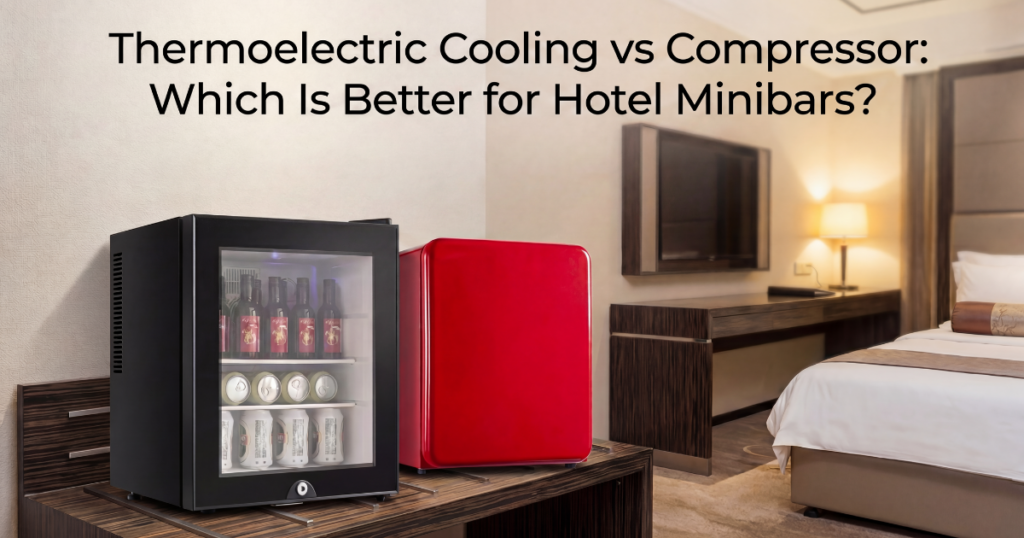
Compressor cooling is the prevalent system in compact refrigerators, making them perfect for dorm use. It’s an ingenious method using a motor and refrigerant to keep things cool, saving ‘whatever’ and fast spoiling. For comparison, compression-style units tend to cool within 2-4 hours of being plugged in (some take up to a day).

Thermoelectric cooling, as found in minibar units, goes about it in a different way. It’s also quieter, has no moving parts, and uses less power — which can be a big plus in overcrowded dorms. Although these units are more efficient and quieter they don’t cool as deeply as compressor models so they’re better for drinks or chilled snacks instead of perishables.
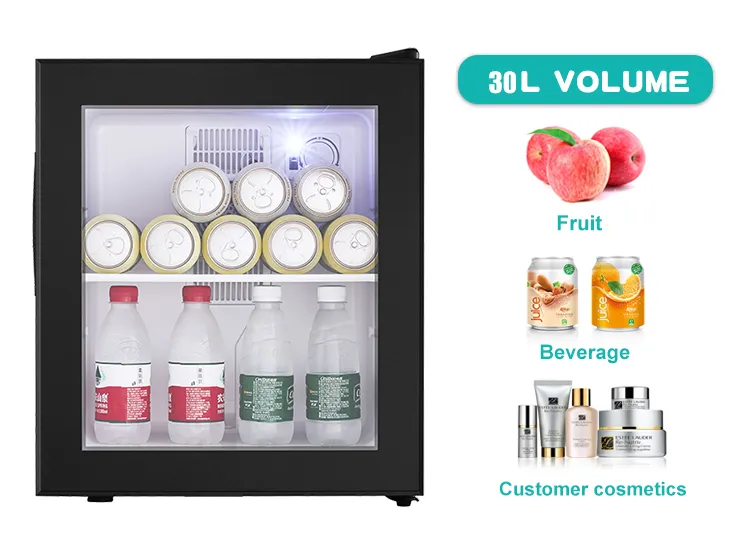
The importance of a fridge’s capacity to maintain a safe temperature can’t be overstated, particularly when it comes to refrigerated leftovers. Compressor models are much better at holding the cold and keeping your perishables safe. By comparison, thermoelectric units are fine for infrequent use, but they can run warmer or cooler depending on the ambient room temperature.
Two newer innovations are enhanced insulation and variable-speed compressors. These features limit how often the fridge turns on and off, saving energy and keeping a steady temperature.
Контроль температуры
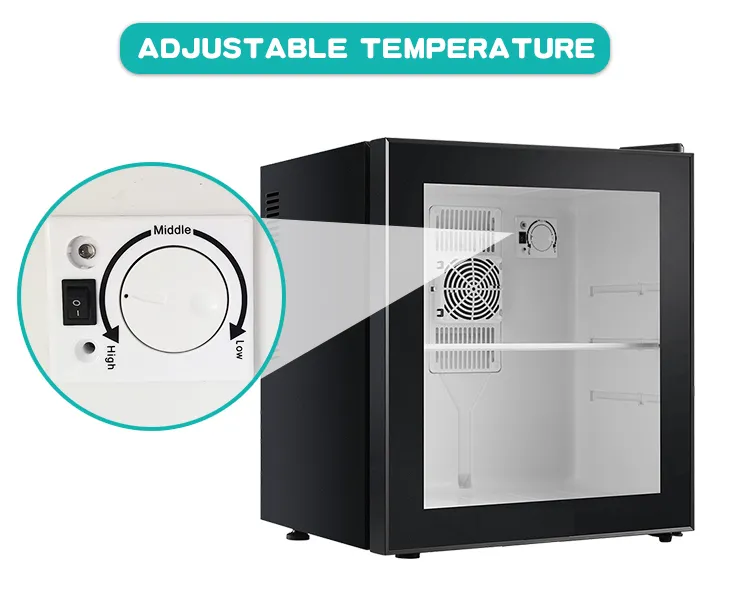
These temperature tuning knobs help make food fresher, longer. Many mini-fridges these days even have dials or buttons to let you select actual numbers instead of just “cold” or “colder”.
Simple, customizable controls let you set your fridge for more than just chilling drinks — keep fruit crisp, too. Some included digital panels, so you can see or change the setting on the fly. This is convenient if you keep both snacks and leftovers.
A few of the higher-end fridges notify you if the temp gets too high, which can save food from going bad. Not every dorm fridge has it — it’s reassuring.
Defrosting Methods
Manual defrost means that you have to unplug the unit and let ice melt. This can also be time consuming and necessitates towels to catch dripping water. Auto defrost models do the work for you, using cycles that melt frost and drain water.
How often you defrost will vary by model and your usage habits. Manual models might need it every couple of months, whereas automatic units can extend well beyond that between cycles.
If you choose a manual defrost fridge, go for one with a removable drip tray. This simplifies cleanup. Time-saving features are important, especially in the busy dorm-life.
Size and Capacity
Standard mini fridges are 42 – 71 litres and medium sized ones are up to 99 litres.
Minibars range from 28 to 85 liters.
Some mini fridges are 0.2 liters in size, while the largest can be 7.99 liters. Most dorm choices hover somewhere in the 1.5 – 3.5 cubic feet (42 – 99 liters) range.
Smaller cups cool faster but hold less, larger ones might be slow to chill but hold more. All models last about 6 to 10 years and use less power than full-size fridges, which is great for your bottom line and the planet.
Long-Term Asset Management
Long-term asset management is developing habits to keep your mini-fridge or minibar running strong. This habit enables you to optimize your mini fridge space, cut costs, and minimize danger in the long run.
Maintenance Needs
Basic things like cleaning shelves, door seals and frost build-up keep a fridge or minibar running perfectly. Easy dusting a week and once a term de-pilling takes you a long way. Dust or pet hair can clog vents or condenser coils, so a quick vacuum or wipe-down now and then aids, as well.
Lift-up or removable shelves models shine for easy cleaning Pop-out shelves are a lifesaver when spills happen or mold sets in. Easy-to-reach sections are key, especially in tight dormitory quarters. Certain brands design their units so you can reach back panels/trays with relative ease, others have you taking half the fridge apart. For generic maker guidelines, you’ll usually find straightforward care instructions—simple-to-follow diagrams or youtube videos are available if you’re stumped. Listen to them and you’ll have less hassle and a longer-lived machine.
Repairability
It ought to be simple to locate spare parts for whichever model you choose. Some brands even offer replacement shelves, trays or seals right on their site. Others make you hunt or pay more.
Modules constructed from simple screws or snap-fit parts are easier to take apart if anything goes awry. That saves you some labor cost or lets you fix little issues without a pro. Pre buy, check if local service shops work with certain brands—some just fix popular ones. Google or ask the campus housing office for repair contacts. Trustworthiness counts, as well. Some brands almost never fail, others have a history of leaks or bad thermostats. Ask other reviewers, and your peers, for advice before making a decision.
Resale Value
Certain mini-fridges and minibars hold their value better than others. Student buy-and-sell groups, online marketplaces or local classifieds will give you an idea of what used models go for. Brands with a good rep or techy features (energy saver settings, lockable doors) move quicker too.
These depreciate at different rates. A nice ‘fridge of a reputable brand may fetch up to 50% after a year or two. Minor or defected lots lose value quickly. Features like adjustable shelves, reversible doors or quiet running can mean the world of difference to potential buyers.
Risk Management
Choose appliances, such as dorm fridges, with safety records. Stick to brands with clear warranty and certification labels and watch out for recall notices.
Institutional Procurement Strategy
Case in point: How a savvy procurement plan can assist your campus get the most bang for its buck when choosing between mini fridges and dorm refrigerators. Discovering the proper cost/consistency/service equilibrium is the secret for effectiveness, especially when equipping numerous dorm fridges simultaneously. All have their pros and cons, but a clear strategy reduces rule breaking and corrals spend.
Bulk Purchasing
Bulk buying lets them save by buying a whole bunch of fridges or minibars at once. This lowers the per-unit cost and makes it easier to order and deliver. Collaborating with big vendors, such as FH Appliances, can ensure reward perks, such as bulk-specific warranties or extra support. Big buys reduce re-buying time, keep compliance nearby and assist in steering clear of in-the-moment or off policy purchases.
For on-campus housing teams, it helps vet supplier backgrounds and compare terms. Upon picking requirements, collectives can reach out to merchants, ask for bulk offers and try to negotiate extra warranty or servicing perks. A quick negotiation checklist might be establishing clear specs, getting quotes from 3+ suppliers, and checking for hidden fees or delivery delays. Collaborating with housing and procurement teams, e-procurement tools can help make the process more efficient and traceable.
| Feature | Compact Refrigerator (Bulk) | Minibar (Bulk) |
|---|---|---|
| Sample Price (per unit) | €110 | €135 |
| Energy Rating | A+ | A |
| Warranty | 24 months | 24 months |
| Supplier Option | Uboze Appliances, LG, Samsung | Uboze Appliances, Dometic, Danby |
Warranty Options
Getting extended warranties will assist institutions in guarding against premature failures. These long-term plans can go 2 or 3 years additional, which is handy when gear gets beat around dorms.
Service times are critical too. If a fridge mini-bar breaks down, it needs an instant repair or swap to keep student life humming. Research manufacturer support—check out online reviews, request references—to determine if a provider backs up their warranty or weasels over claims.
Standardization Benefits
If all dorms share the same fridge or minibars, the repairs and maintenance are a lot easier. Maintenance crews need to purchase fewer spare parts and learn one repair pattern, reducing mistakes and saving time.
Standard models can also speed employee onboarding. New hires or rotating teams only need to learn one control and safety pointers. Standardizing cuts paperwork and simplifies reordering since teams aren’t dealing with hundreds of product codes.
Purchasing teams who follow one or two models can also typically secure better prices from vendors since they place bigger, repeat orders. This cuts overhead costs of handling, and inventorying, multiple different models of equipment.
The Sustainability Angle
If you’re picking a dorm fridge, it matters to the world. While compact refrigerators and minibars both serve to keep the food and beverages cool, their carbon footprint is a matter of a few things: how much power they require, what they’re made with, and how they are transported from the factory to the dorm.
Some of the top energy saving appliance choices, include compact fridges. They refrigerate a smaller area, so they don’t need as much energy as jumbo freezers. Certain models are also equipped with eco-friendly features, such as reduced energy consumption or intelligent sensors that deactivate the cooling when it’s unnecessary. Take for example, a new day compact fridge with smart insulation and high efficiency compressors can use half the electricity of its predecessor. Some units are under 0.5kwh/day and that kind of usage is going to cut carbon emissions bigtime over the long run. Be sure to shop the energy label or rating before you buy because not all mini-fridges are equally power-saving. Older or bargain varieties can burn more power, so it pays to go with a newer, tried-and-true model.
The materials matter too. And because they’re small, compact fridges use less raw materials, which can mean less waste. A ton of brands now are doing them with steel, aluminum or recyclable plastics. Try to find fridges that purport to use recycled or recyclable materials. When students choose fridges made with green materials, they’re helping to reduce the waste generated when appliances break or are replaced.
There’s the carbon footprint from manufacturing and distributing these devices. Tiny fridges use less material, and it’s easier to ship them in bulk — so shipping per fridge makes less pollution. If the fridge is made in a plant near where it’s sold, that cuts down shipping emissions. Others inform shoppers about their supply chain and carbon footprint reduction, helping them make an educated choice.
How students use these fridges can change habits for good. Its compact size inherently dissuades consumers from hoarding an unnecessarily large amount of perishables, therefore it can minimize edibles waste. Dorm-sized fridges also fit precisely what’s needed—snacks, leftovers, drinks—so they don’t expel energy cooling unused air. Slinging all those reusable containers and bags in a mini-fridge lessens single-use plastics, too.
Заключение
Mini fridges and minibars both enable students to keep snacks and drinks cool in small spaces. Mini fridges pack more and are a godsend for those hectic weeks, or communal dorm rooms. Minibars squeeze tight spaces and use less power. Both offer easy access and easy maintenance. While others decide based on energy consumption or cost over time. Others find what works best for their students. No cookie-cutter answer here. Think about how much space you have, what you want to keep and how much you want to spend. Schools and students both save by checking specs and student needs first. Got to get the perfect fit! Look at your space, wattage and closet space needs prior to buying.
Часто задаваемые вопросы
So how exactly do compact fridges differ from dorm minibars?
Dorm fridges and other compact refrigerators offer more space and better cooling for your small dorm room. Minibars, built especially for drinks, usually tend to be more energy efficient and great for cramped spaces where you want to take advantage of every inch of fridge room.
Which is more power efficient for student dorms.
Minibars use less power because they’re smaller, which makes them perfect for dorm use. Newer compact refrigerators with energy-saving features can also be efficient, so check the appliance’s energy rating before purchase.
Are minifridges or minibars best for fresh food!
Mini fridges are not as great for fresh fare, as dorm fridges often don’t come equipped with appropriate storage areas for your perishable goodies.
How does the appliance selection impact student experience?
A bigger, smartly-designed mini fridge enables students to divide up their meals and drinks more efficiently, optimizing dorm storage and promoting good nutrition. But, much like minibars, a lot of dorm fridges simply don’t have enough fridge space which can be problematic for some students.
What should institutions think about for long-term support?
Mini fridges tend to be sturdier and easier to repair, which makes them perfect for the dorm. Minibars can be a little more work to service because of their smaller and more basic components.
Is there a green alternative to mini fridges or minibars?
Selecting green units with energy ratings that are high reduces your ecological impact. Although mini fridges can be power hungry, a lot of dorm fridges come with green models that are efficient. Make sure to seek out energy-labels and environmentally friendly refrigerants.
How do you buy a mini-fridge and a minibar!
College, when buying dorm fridges, has to worry about bulk pricing and reliability of suppliers and after-sales support. Although mini fridge styles are pricier initially, they typically offer more bang for your buck down the road than cheaper minibars that you’ll end up having to replace more frequently.